
mOst supports artists in building creative projects with residents. This approach is aimed in particular at emerging artists or artists developing their path, but also at more experienced practices that want to open up to a co-creation setting.
The aim is not to turn a line of research into a standard workshop. It is to find how it can meet other experiences, produce forms and keep evolving.
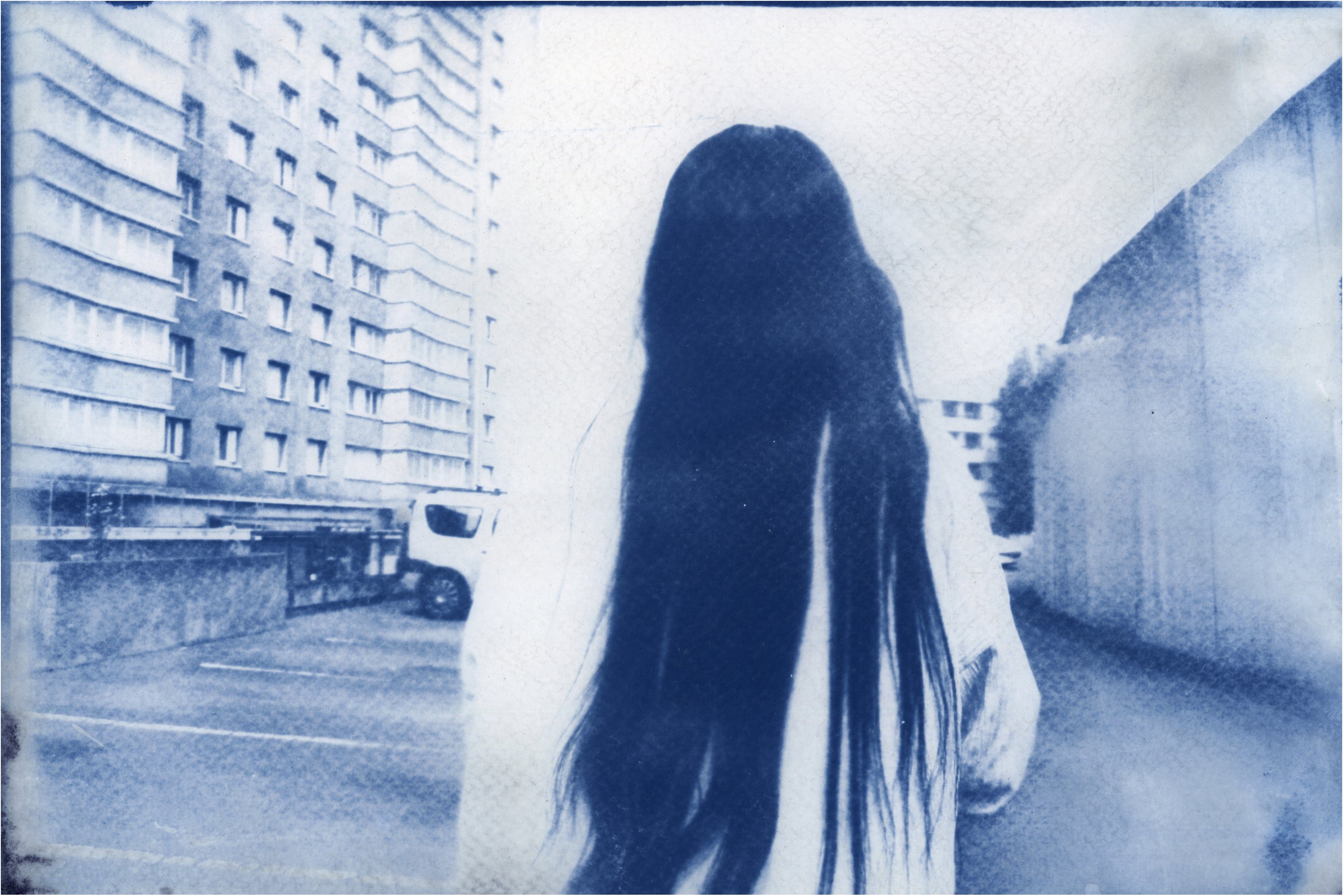
starting from what the artist is looking for
A collaboration starts with a practice: its questions, materials, gestures and uncertainties. Before setting a workshop program, we look for what can be shared without being watered down.
A shooting protocol, a way of collecting, sound research, work with materials or an editing method can become starting points. They are not models to copy, but proposals that the people involved can take up and shift.
building a framework that allows research
Depending on the project, mOst can work with the artist on getting to know the territory, relationships with partners, meeting times, creative protocols, material resources and the schedule.
This preparation takes real conditions into account: group availability, venues, languages, the pace of sessions, editing time, technical constraints and how the work will be presented. The framework must leave room for experimentation while making the project feasible.
sharing without lowering the standard
Creating with people who do not work in the same medium means making gestures accessible, but also spelling out the decisions they involve.
Why this frame? Why this material? What does a voice change in an edit? How can an image be read differently? Teaching makes it possible to enter these questions through practice.
Artists keep their ability to propose and compose. Participants must be able to influence what is being made. mOst supports the building of this relationship, without erasing responsibilities or promising that every disagreement will disappear.
thinking about production beyond the sessions
A residency involves more than the visible workshop moments. Research, preparation, exchanges, production, selection, editing, exhibition design and documentation all need time and resources.
The scope of work, responsibilities, pay, production costs and conditions for sharing the work are to be set out for each collaboration. Taking part in a project must not be presented as payment in visibility.
Support depends on the projects, partnerships and resources available. This page does not, on its own, announce an open call, an available place or guaranteed funding.
composing and presenting with the people involved
Moving from experiments to a public proposal is a decisive moment. A residency can produce photographs, texts, objects, sounds or fragments of archives; then comes the decision of how they speak to one another.
Depending on the project, mOst supports this editing and presentation work with the artist and the participants. Rights, credits, context and limits on circulation are part of it. The form must be readable without reducing people to illustrations.
documenting what changes in the practice
A residency can open up a new way of working: a modified protocol, an unexpected material, another relationship to editing or a new way of exhibiting.
Keeping track of these shifts means the experience is not reduced to a workshop photo album. Research notes, trials, versions of works and the artist’s feedback can feed into documentation of the process, according to what has been agreed about sharing.
This documentation can also help present the work in a portfolio or prepare what comes next. It must not reuse participants’ images, words or archives outside the agreed framework.
imagining a collaboration
For a first conversation, it helps to share an introduction to your practice, a few works, a research question and, if you have them, a territory, partners or availability.
You do not need to arrive with a fully defined work. What matters is being able to say what you want to explore and what could open up to others.
Photography, film, sound, drawing, textiles, installation, writing, publishing and hybrid practices can all find a place in this work, depending on the project and the production resources.