
mOst works from a simple idea: peripheries are not margins, they are places of culture, intelligence and invention. We build bridges between working-class neighborhoods across countries, especially France and Latin America, so that communities can meet through images, stories and shared questions.
These connections are not symbolic: they create a concrete circulation of narratives, tools and methods, and challenge the usual one-way gaze from outside. By linking local points of view across borders, we strengthen cultural rights in practice and build a translocal, community-led archive of contemporary life.
where we work
Since 2023, mOst has worked in Brazil, Colombia, Mexico and Algeria: in Rio de Janeiro (Rocinha, Maré and the Júlio Otoni favela), Recife and Salvador; in Medellín’s Comuna 8 and in Cali; in Valle de Chalco, Cherán and Ciudad Guzmán; and in Algiers, at the Rampe Vallée estate in Bab el Oued. Some of these places were chosen to build long-term exchanges: Rio de Janeiro, Medellín, Valle de Chalco and Algiers.
with local partners and artists
Each project starts from an organization rooted in the neighborhood: the Museo Comunitario del Valle de Xico, Valle de Chalco’s community museum; Movimiento Urbano in Medellín; REF Rocinha and the Júlio Otoni community center in Rio; the Livroteca Brincante do Pina in Recife; Cultura Zapotlán in Ciudad Guzmán. Artists from these neighborhoods play a central role, like the photographer Fotogracria in Rocinha or Arteviana in Maré.
Crossing Perspectives: neighborhoods in dialogue
Through the Crossing Perspectives format, neighborhoods answer one another directly: La Noue-Clos Français in Montreuil and Rocinha, since 2024; La Capsulerie in Bagnolet with Casas ARA in Valle de Chalco and Cruz Blanca in Ciudad Guzmán, in 2025; Les Ruches in Marseille and the T.L. in Rocinha, in 2025; Llanaditas in Medellín with Rocinha and Maré, in 2026. The aim is not to compare but to let lived experiences, ways of living and ways of imagining the future resonate.
a translocal community archive
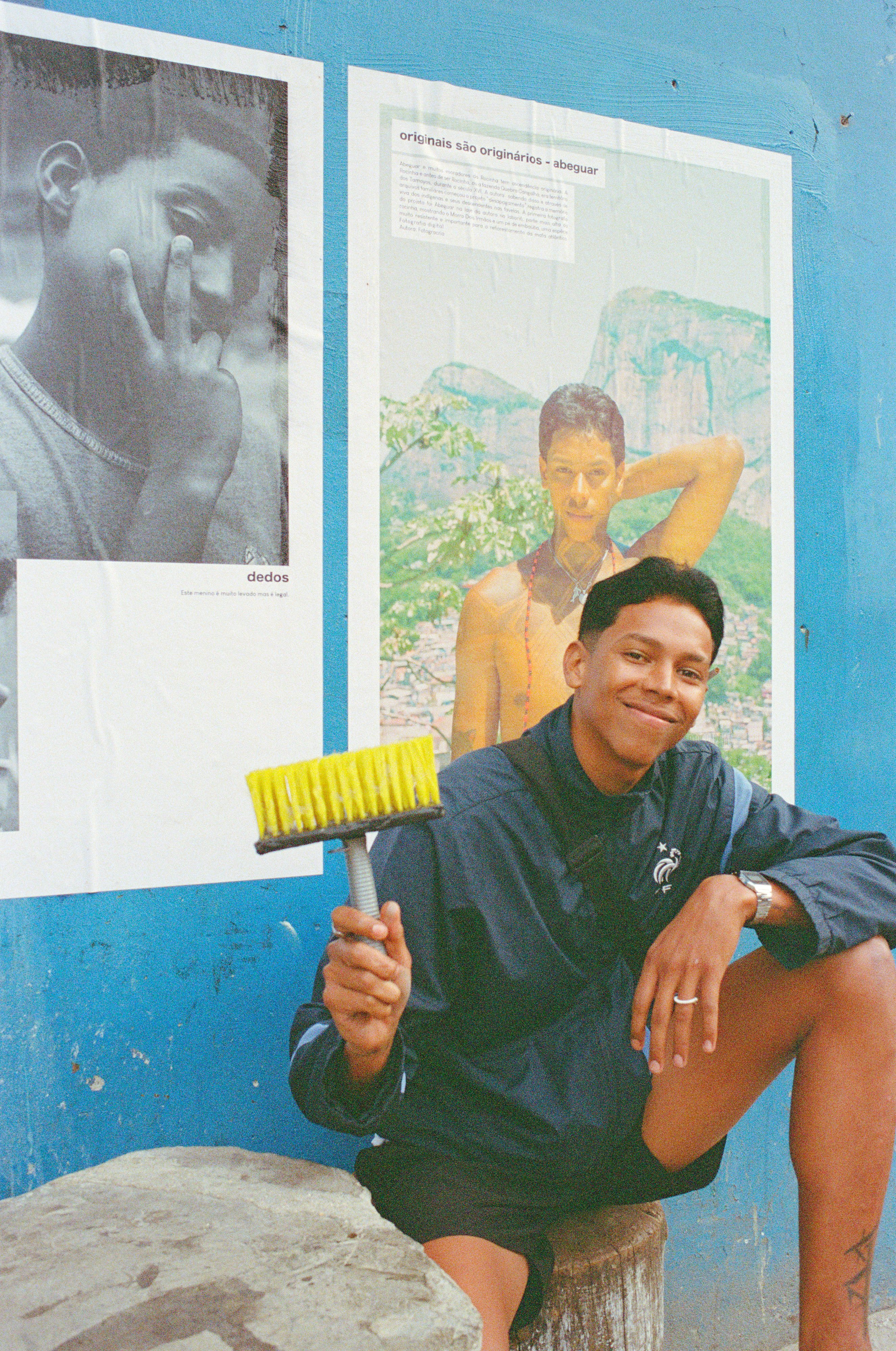
Every project leaves traces that stay in the neighborhood: exhibitions pasted up across the favela or hung from the trees of a small plaza, films, booklets, portraits. In Valle de Chalco, the work is kept at the neighborhood’s community museum. Taken together, these traces form a living archive of today’s urban peripheries, built with residents.
project websites
For several places, a dedicated website keeps the full record of the projects, in four languages: the works, the participants’ own texts, the maps.